
Urban Otherness:
the cinematic city and the metropolitan subject
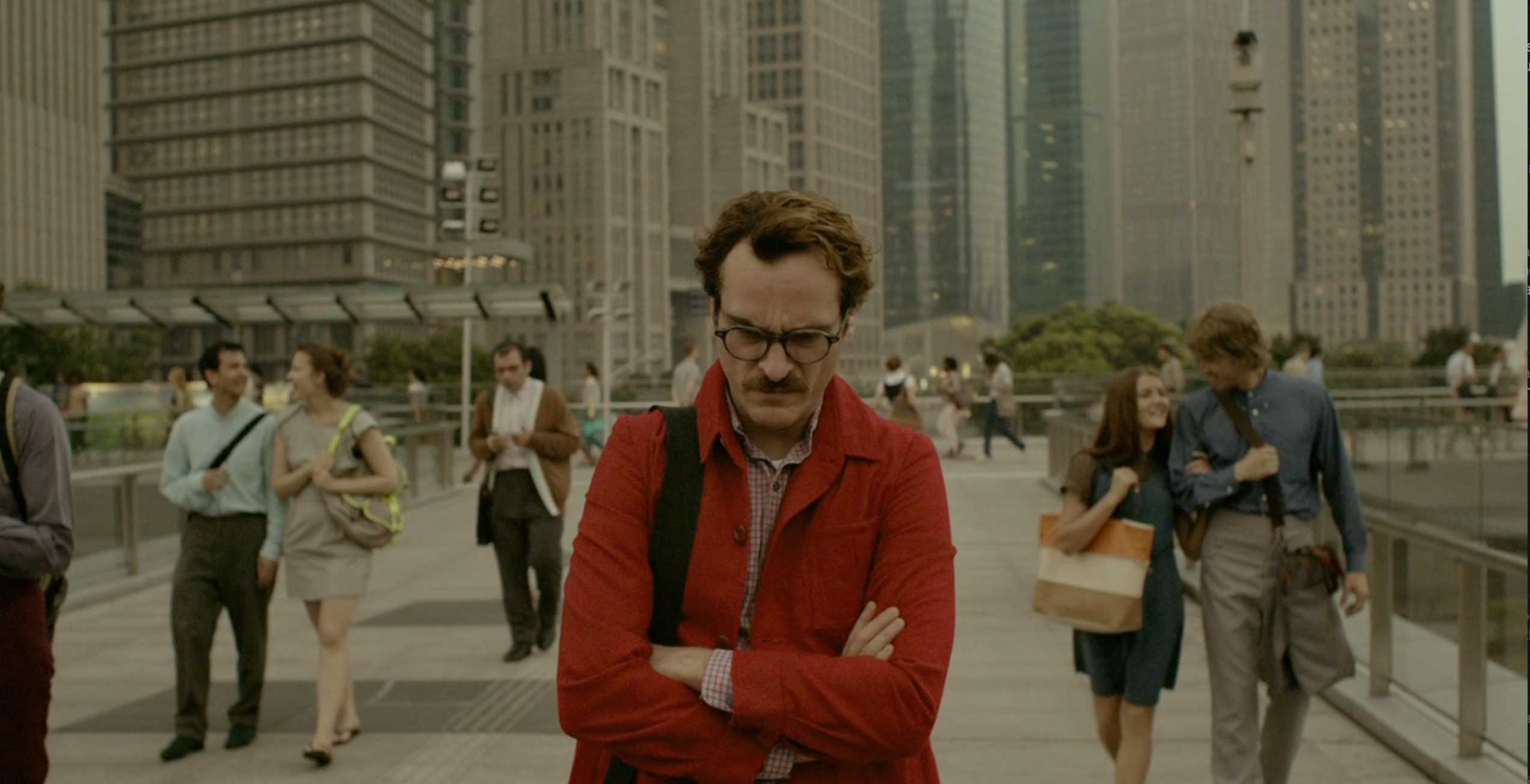
Some of the most complex and compelling aspects of modern life are explored by filmmakers against the backdrop of cities. Such explorations often employ "the city" as it has been characterized by modernist thinkers and many filmmakers develop their characters through their depiction of and engagement with urban landscapes in a way that align with how the metropolitan inhabitants have been conceptualized. Often, these cinematic cities reflect the notion that the modern city is a manifestation of the rationalized order of industrial capitalism and an environment which, in turn, produces the psychological and social ambivalence that sociologist Georg Simmel assigned the word "blasé." In depicting the city thus, filmmakers participate in many aspects of the "othering" process. They may "other" their character from the rationality of their urban environment to depict modernist ambivalence or "other" them amidst unfamiliar sights and sounds to signify the character's economic, social, or cultural difference. This site seeks to provide resources and examples that help to understand the ways in which cities—its physical make up, its public space, its skyscrapers—have been employed in films to explore conditions of modern life and to offer a collection of resources that have addressed the implications of such cinematic cities.
Site by Pim-orn Supavarasuwat (BGC 2022)
Her, directed by Spike Jonze (Annapurna Pictures, 2013).